Advanced SEO Setup Tutorials for 2026 Success

Typical errors include buying links, ignoring importance, over-optimizing anchor text, disregarding link profile audits, and relying on too few kinds of links. Outreach is the engine behind many link building techniques. Personalized, value-driven e-mails to site owners can protect guest post chances, niche edits, and resource page placements. Advanced methods include rival backlink analysis, reclaiming lost links, HARO strategies, interactive material development, and organized damaged link outreach projects.
Yes. In spite of algorithm updates, link building stays an important ranking aspect. Quality backlinks are a primary signal of authority and rely on online search engine algorithms. For a related guide, see Link Structure Mistakes: 5 Critical Mistakes Injuring Your Rankings. It's challenging. The majority of effective link building techniques rely on some form of contentwhether post, case research studies, or toolsto supply a factor for others to link.
Some strategies like niche edits can show impact within weeks, while more comprehensive content-driven methods might take several months to acquire traction and enhance rankings.
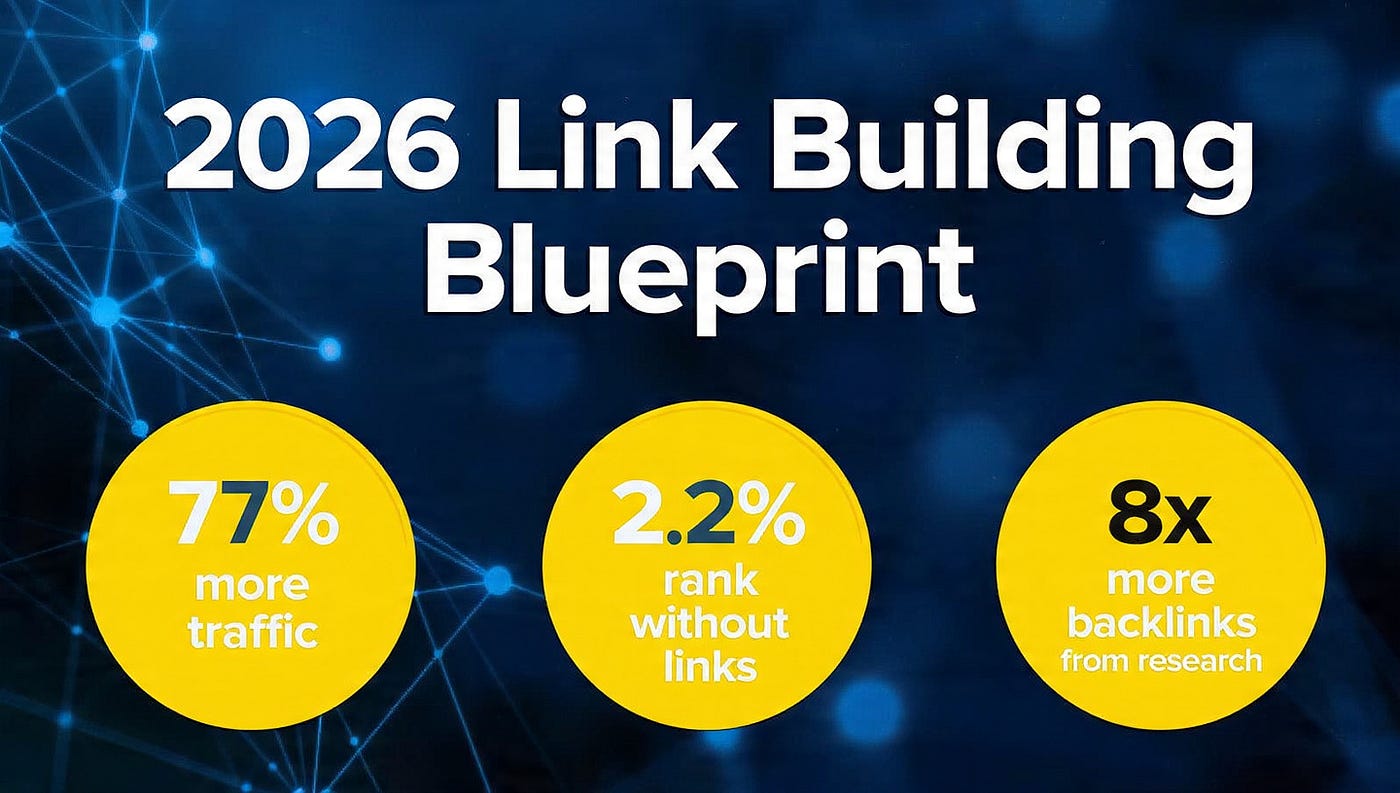
Frontier models now fulfill or go beyond human abilities on products like PhD-level science concerns, multimodal thinking, and competition mathematics. The success rate of agents managing real-world jobs enhanced from 20% in 2025 to 77.3% today, according to Terminal-Bench, while AI agents dealing with cybersecurity problems solved issues 93% of the time compared to 15% in 2024. At other tasks, AI lags behind, including finding out from video, generating video that is coherent and sensible, informing time, handling multiple-step planning, performing monetary analysis, and addressing certain expert-level scholastic tests.
Generating High-Quality Footprint Lists for Optimal Results
IR-2025-103, Oct. 9, 2025 WASHINGTON The Irs today revealed the tax year 2026 yearly inflation changes for more than 60 tax provisions, including the tax rate schedules and other tax changes. Earnings Treatment 2025-32 PDF provides information about these yearly modifications. The tax year 2026 adjustments described listed below generally use to income tax return submitted in 2027.
The most affordable rate is 10% for incomes of single people with earnings of $12,400 or less ($24,800 for married couples filing collectively). For tax year 2026, the exemption quantity for unmarried people is $90,100 and begins to phase out at $500,000 ($140,200 for married couples filing collectively for whom the exemption begins to phase out at $1,000,000).
The maximum credit allowed for adoptions for tax year 2026 is the amount of qualified adoption costs as much as $17,670, up from $17,280 for 2025. For tax year 2026, the quantity of credit that may be refundable is $5,120. For tax year 2026, the OBBB considerably boosts an important credit for; it increases the optimum quantity of employer-provided child care tax credit from $150,000 to $500,000 ($600,000 if the company is an eligible little organization).
Earnings Procedure 2025-32 includes a table supplying optimum EITC quantity for other categories, earnings thresholds and phase-outs. For tax year 2026, the regular monthly constraint for the qualified transportation fringe benefit and the month-to-month restriction for qualified parking increases to $340, up $15 from 2025. For tax years starting in 2026, the dollar limitation for voluntary employee income decreases for contributions to health flexible spending plans increases to $3,400, up $100 from prior year.
GSA SER project templateFor tax year 2026, individuals who have self-only coverage in a Medical Savings Account, the plan should have an annual deductible that is not less than $2,900, up $50 from tax year 2025 but not more than $4,400, an increase of $100 from tax year 2025. For self-only coverage, the maximum out-of-pocket cost quantity is $5,850, up $150 from 2025.
Precision Link Identification for Automation Software
The lowest rate is 10% for earnings of single individuals with earnings of $12,400 or less ($24,800 for couples submitting jointly). For tax year 2026, the exemption amount for single people is $90,100 and begins to phase out at $500,000 ($140,200 for couples filing collectively for whom the exemption starts to phase out at $1,000,000).
The maximum credit enabled for adoptions for tax year 2026 is the quantity of qualified adoption expenditures up to $17,670, up from $17,280 for 2025. For tax year 2026, the amount of credit that may be refundable is $5,120. For tax year 2026, the OBBB considerably boosts a crucial credit for; it increases the optimum quantity of employer-provided child care tax credit from $150,000 to $500,000 ($600,000 if the company is an eligible small company).
Revenue Treatment 2025-32 includes a table supplying optimum EITC quantity for other classifications, income thresholds and phase-outs. For tax year 2026, the regular monthly restriction for the qualified transport additional benefit and the regular monthly restriction for certified parking increases to $340, up $15 from 2025. For tax years beginning in 2026, the dollar constraint for voluntary employee income decreases for contributions to health flexible costs arrangements increases to $3,400, up $100 from prior year.
For tax year 2026, individuals who have self-only coverage in a Medical Savings Account, the plan must have an annual deductible that is not less than $2,900, up $50 from tax year 2025 but not more than $4,400, a boost of $100 from tax year 2025. For self-only protection, the maximum out-of-pocket cost amount is $5,850, up $150 from 2025.